
Ohio Stoneware – USA-Made Crocks, Mixing Bowls & Bakeware
Ohio Stoneware is made in Zanesville, Ohio, a region that has been turning out American stoneware for more than 150 years. Red Hill General Store carries the line both online and in our Hillsville, Virginia store: stoneware crocks from 1 to 10 gallons, fermentation crock kits, Dominion mixing bowls, spongeware mixing bowls, bean pots, pie pans and more. Every piece has a lead-free, food-safe glaze and is built to be used every day, not just displayed.
Shop by category: Crocks & Fermenting | Mixing Bowls | Bakeware | Jugs & Utensil Crocks | Pet Bowls | Where to Buy
Crocks & Fermenting
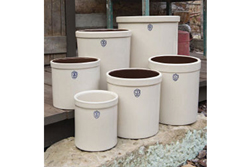
Ohio Stoneware Crocks
Available in 6 sizes: 1, 2, 3, 4, 5, 10 Gallon
Starting at - $21.49

ID#: Opco02429
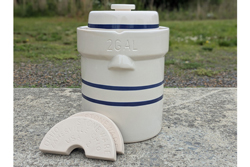
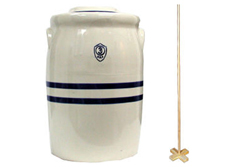
Fermentation Crock Kit
Includes crock, cover and weights
Available in two sizes: 2 & 3 Gallon
Starting at - $76.99
ID#: Opco12157
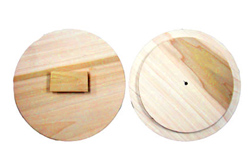
Crock Lids
Available in 6 sizes: 1, 2, 3, 4, 5, 10 Gallon
Starting at - $9.99
Out of Stock
Available for Backorder
ETA: Coming Soon
ID#: Opcl1L
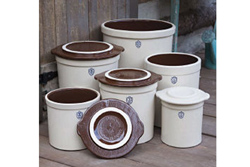
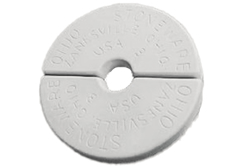
Preserving Weights
Available in 6 sizes: 1, 2, 3, 4, 5, 10 Gallon
Starting at - $13.99
ID#: Opco11655
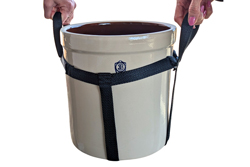
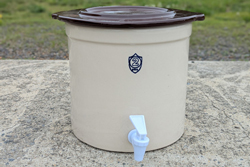
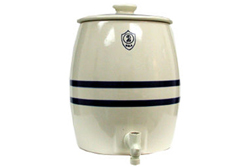
Stoneware Crock Keg
Includes crock and cover
Available in two sizes: 2 & 3 Gallon
Starting at - $54.99
ID#: Oboo12355
Mixing Bowls & Serving
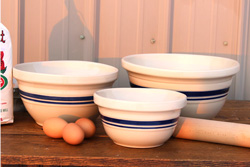
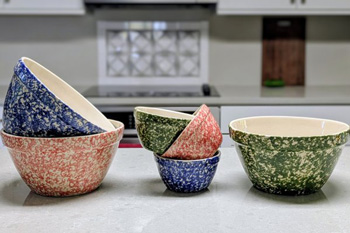
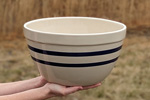
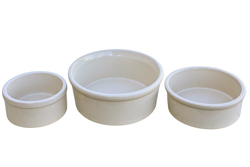
Dominion Stoneware Mixing Bowls
Available in 4 colors and various sizes
Starting at - $19.99
ID#: Opco12072
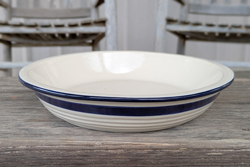
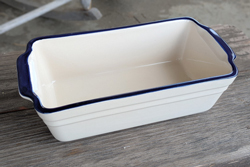
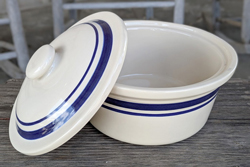
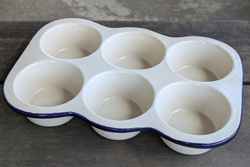
Bakeware & Bean Pots
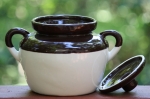
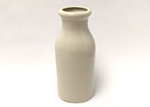
Utensil Crocks, Jugs & Farmhouse Pieces
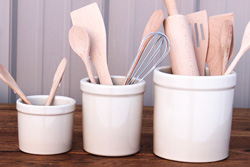
Stoneware Utensil Crocks
Available in 3 sizes: 1 Pint, 1 & 2 Quart
Starting at - $8.99
ID#: Opco02719
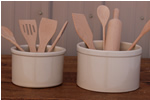
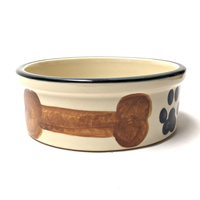
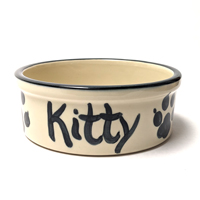
Stoneware Pet Bowls
Visit us
Where to Buy Ohio Stoneware
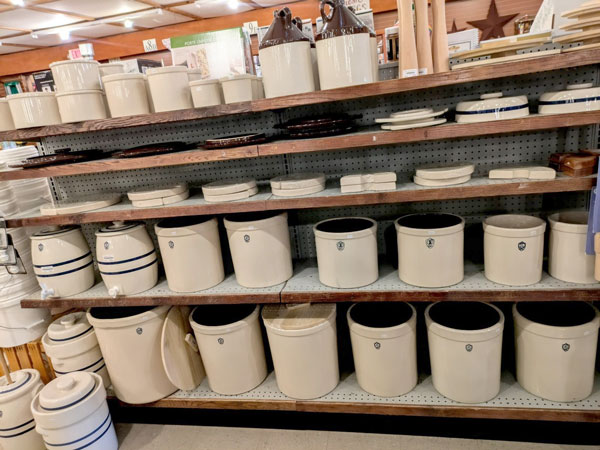
You can order Ohio Stoneware right here, or see it in person at the Red Hill General Store in Hillsville, Virginia (1035 Sylvatus Hwy). We’re a few minutes off I-77 in the Blue Ridge Mountains of southwest Virginia. Questions about sizes, stock or shipping? Call us at 1-800-251-8824, Monday–Friday, 9:30 AM–5:00 PM EST.
Why Ohio Stoneware?
- Made in the USA: clay shaped, glazed and fired in Zanesville, Ohio.
- Lead-free, food-safe glazes: safe for fermenting, baking and serving.
- Built to last: high-fired stoneware that’s dense and chip-resistant, and oven, microwave and dishwasher safe.
- Traditional designs: the same crock, jug and bowl shapes American kitchens have used for generations.
Red Hill General Store Stoneware FAQ & Knowledgebase
If you're investing in real American stoneware - whether it's stoneware mixing bowls, ceramic pet bowls, a traditional stoneware fermentation crock, a dependable 4 gallon stoneware crock, classic ceramic pickling pots, a sturdy baking stoneware loaf pan, or timeless brown crock jugs — you deserve clear, honest answers.
Here's everything we're commonly asked about stoneware safety, durability, and care.
Buying Ohio Stoneware
Where is Ohio Stoneware made?
In Zanesville, Ohio, in the Muskingum County pottery region that’s been making American stoneware since the 1800s.
Is it “Ohio Stonewear” or “Ohio Stoneware”?
It’s “Ohio Stoneware” (stone-ware, as in pottery), though a lot of people search for “Ohio Stonewear” or “Ohio Stone Ware.” Either way, you’re in the right place.
Where can I buy Ohio Stoneware near me?
Order online here, or visit our store in Hillsville, Virginia. We ship across the continental US. See Where to Buy above for directions and our phone number.
What Ohio Stoneware crock size should I buy?
For home sauerkraut or pickles, 2 or 3 gallons suits most families. Plan on about 5 lb of vegetables per gallon. See the crock size chart.
All About Stoneware Ceramic Pottery
True American stoneware has been trusted for generations because it works. The strength comes from one simple fact — high-fired clay.
Stoneware is fired at temperatures exceeding 2,000°F. This vitrifies the clay, making it dense, moisture-resistant, and naturally durable. That’s why crocks, mixing bowls, and bakeware last decades — sometimes generations.
Traditional brown finishes on a brown crock jug come from historic glazing techniques like salt glazing and Albany slip — methods that created waterproof, food-safe storage long before refrigeration.
Ohio Stoneware Care & Use FAQ
Do I need to prepare the pan before baking?
Yes. Lightly oil your stoneware bakeware before each use. A dusting of semolina on the bottom improves release even more. Over time, a natural patina forms — improving performance and creating that seasoned feel bakers love.
What temperatures are safe for stoneware?
Our stoneware bakeware is oven safe up to 450°F and microwave safe. Do not use under a broiler or directly on the stovetop.
How do I avoid cracking stoneware?
Avoid extreme temperature changes. Never place in the freezer. Let refrigerated bakeware return to room temperature before baking. Allow hot stoneware to cool before refrigerating.
How should I clean stoneware?
Allow to cool completely. Hand wash with warm water. Avoid soaking. While dishwasher safe, hand washing helps preserve glaze longevity.
How do I protect countertops?
Always use a trivet under hot stoneware to prevent scratches or heat marks.
Stoneware Safety FAQ
Is stoneware non-toxic?
Generally yes. The fired clay body itself is inert. Safety depends on the glaze. Modern, properly fired, lead-free stoneware is safe for food contact. Vintage or unknown imports may pose risk if improperly glazed.
At Red Hill General Store, our Ohio Stoneware products are made in the USA and finished with lead-free, food-safe glazes that meet strict safety standards.
Is stoneware safe to eat off of?
Yes, when it is manufactured for food use and fired correctly. "Food-safe stoneware" means the glaze meets lead and cadmium limits and forms a stable, durable surface. Pieces showing severe crazing, flaking glaze, staining, or odor retention should be inspected and possibly replaced - especially if used for acidic foods.
Our stoneware mixing bowls, crocks,
and bakeware are high-fired and glaze-finished to create a durable, stable surface you can trust for everyday food and beverage use.
Does stoneware contain lead?
The clay body itself does not require lead. Lead concerns relate to certain glazes or pigments, particularly in older or imported pottery. Modern American stoneware manufacturers use lead-free, food-safe glazes that meet FDA standards for food-contact surfaces.
Lead-free glazes are used in current production, and our pottery products are manufactured under strict safety and compliance standards.
Is stoneware oven safe?
Often yes — when used properly. Avoid rapid temperature changes. Always follow product instructions.
Our bakeware, including pie plates, bean pots, and baking stoneware loaf pans, is oven safe up to recommended temperatures.
Is stoneware microwave safe?
Yes, provided there is no metallic trim and the piece is in good condition.
Ohio Stoneware contains no metallic decoration and is microwave safe when used properly.
Is stoneware dishwasher safe?
Often yes. The clay body is durable, but over time dishwashers can dull or etch certain glazes due to alkaline detergents. “Dishwasher safe” typically means structurally safe—not permanently unchanged. For longest life, avoid overcrowding and consider occasional hand washing.
Ohio Stoneware products are dishwasher safe, though hand washing can help preserve the glaze’s original shine over many years of use.
Does stoneware have PFAS?
Traditional kiln-fired stoneware (clay + mineral glaze) is not PFAS-based. PFAS concerns relate to synthetic nonstick coatings, not traditional ceramics.
Our stoneware products do not rely on synthetic chemical nonstick coatings.
Is stoneware clay food safe?
Yes. Properly fired stoneware clay used with food-safe glazes is suitable for food use. Every Ohio Stoneware piece we carry is finished with a lead-free, food-safe glaze.
The History of the Brown Stoneware Jug
Brown stoneware jugs are among the most recognizable forms of early American pottery. Techniques for salt glazing and high-fired clay bodies were refined in Europe in the 1500s–1600s and brought to America in the 1700s. By the 1800s, stoneware centers in Ohio, Pennsylvania, and New York were producing durable jugs for everyday use.
The rich brown color often came from Albany slip glaze or salt glazing—both creating a waterproof, food-safe surface when properly fired.
These jugs stored water, milk, cider, molasses, vinegar, whiskey, and pickled foods. Many were stamped with capacity sizes like 1 gallon or 2 gallon.
Brown stoneware jugs endure because they were high-fired at temperatures above 2,000°F.
Why Are Brown Stoneware Jugs Called “Moonshine Jugs”?
During Prohibition (1920–1933), brown stoneware jugs became associated with storing and transporting illegal homemade liquor. They were durable, reusable, blocked sunlight, and sealed easily with cork stoppers—perfect for backwoods transport.
Because illegal liquor was often made “by the light of the moon,” the name moonshine stuck—and so did the image of the round brown jug.
In reality, these vessels were everyday utility items long before Prohibition. Their durability and practicality made them famous—not just folklore.
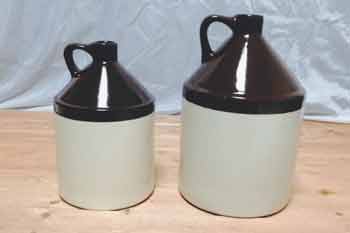
See our two sizes of moonshine jugs here.
Why Stoneware Has Lasted for Centuries
- High-fired above 2,000°F
- Naturally non-porous when vitrified
- Thick-walled and impact resistant
- Designed for daily use
Simple. Durable. Functional. That’s the enduring legacy of American stoneware.
Ohio Stoneware
Knowledge Base
Is it “Ohio Stonewear” or “Ohio Stoneware”?
Where can I buy Ohio Stoneware near me?
What Ohio Stoneware crock size should I buy?
Do I need to prepare the pan before baking?
What temperatures are safe for stoneware?
How do I avoid cracking stoneware?

