
Ready for fall planting
Stratified American Ginseng Seeds for Planting – Appalachian Grown
For centuries, ginseng has been treasured in the hardwood forests of Appalachia. Now you can plant your own.
Our stratified American ginseng seeds (Panax quinquefolius) have already gone through their first winter. Plant them this fall and they'll sprout this spring. Grow your own ginseng and stop worrying about Virginia's wild harvest season.
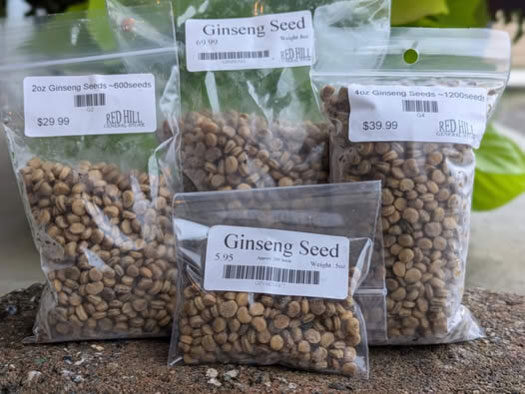
Sizes & Prices
| Size | Approx. seeds | Price |
|---|---|---|
| ½ oz | ~100 seeds | Orh100Ginseng $5.95 
|
| 2 oz | ~600 seeds | Orh18lbGinseng $29.99
|
| 4 oz (¼ lb) | ~1,200 seeds | Orh14lbGinseng $39.99
|
| 8 oz (½ lb) | Bulk | Orh12lbGinseng $69.99
|
Supply is limited. Once these are sold out, we won't have more until next fall. Buy in our store, or order online for fast shipping.
Growing Ginseng from Seed
Ginseng is a unique and rewarding plant to grow, but it takes patience and the right conditions.
Why Fall Planting Matters
Ginseng seeds need two cold periods (below 45°F for about 90 days each) before they sprout. This is called stratification. Our seeds have already gone through their first winter. Plant them this fall and they'll complete the second cold period naturally and sprout in the spring.
Seed straight off a wild plant takes about 18 months to come up. The old-time diggers in Foxfire 3 all said so. Our stratified seed has already done half of that waiting.
Choosing the Right Location
In the wild, ginseng grows in shady hardwood forests, often under yellow-poplar or maple trees. It prefers well-drained soil, because standing water can kill the roots. Ideal sites offer about 70% shade. A little underbrush usually means there's just enough filtered sunlight for ginseng to thrive.
Old sang hunters also looked for black walnut, basswood (they called it "lind") and cucumber trees, on north- and east-facing slopes and in dark, damp coves. "You find some walnut out in the woods, start looking for ginseng," Buck Carver said. Good neighbor plants include maidenhair fern, blue cohosh, and goldenseal, which they called "the little brother of the ginseng."
How to Plant
- Rake back the leaves in your chosen spot.
- Scatter the seeds on the soil surface.
- Press them in lightly, no deeper than ¼ inch.
- Cover the seeds back up with leaves to keep them from drying out and to hide them from rodents.
"You've got to plant them just barely under the ground and then throw the leaves on there." — Buck Carver, Foxfire 3. He learned it the hard way, after planting 104 berries too deep and not getting a single plant.
What to Expect
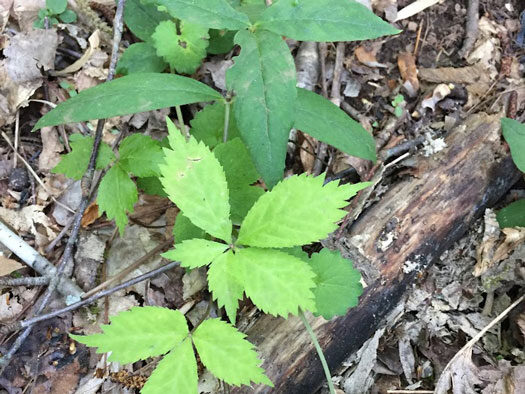
- First year: seedlings come up with three leaves, about 2–3 inches tall.
- Ginseng grows slowly and usually takes 5–10 years to reach maturity.
- Keep mulch on the ground to control weeds and protect the roots each winter.
Planting ginseng is a long-term project, but for many growers the patience pays off in a valuable and fascinating crop.
Wisdom from the Old Sang Hunters
In the Appalachians, ginseng is "sang," and hunting it is "sanging." The mountain diggers interviewed in Foxfire 3 had a lifetime of know-how. Here's some of the best of it.
Telling a plant's age
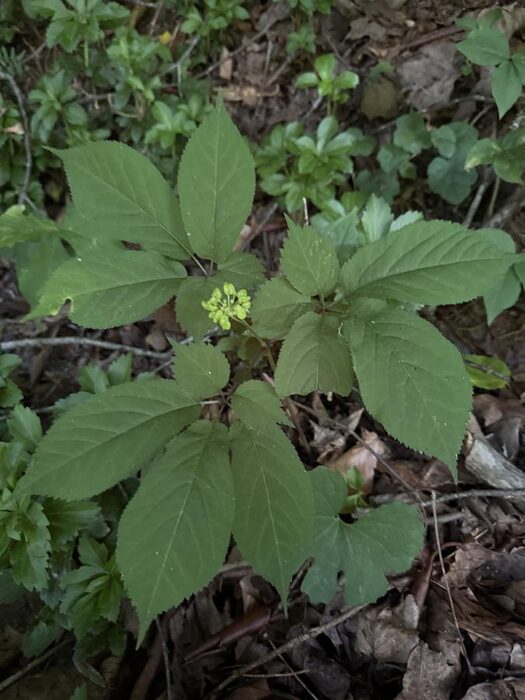
Count the prongs. A first-year plant has 3 leaves, then it becomes a 2-prong, then a 3-prong, and eventually a 4-prong. The old-timers got a truer age by counting the notches on the "age stem," the knobby neck on top of the root, where each year's stalk grew and fell off. Some roots they dug were 15–20 years old or more.
Fall color
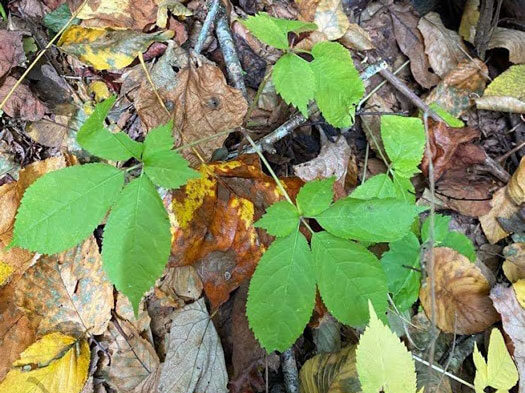
After the first frost, ginseng turns a gold you can spot from across the woods. Diggers said it was a different shade of yellow from anything else in the forest.
Wild-grown roots bring more
In Foxfire 3, dealers paid almost double for wild roots over cultivated ones. The diggers' advice was to plant in the woods, skip the fertilizer and leave it alone. Today that's called wild-simulated growing.
Cold doesn't hurt it
"It won't freeze out," said Lawton Brooks. Even in the coldest north-facing coves, it comes back every spring.
Drying
It takes about 5 pounds of fresh root to make 1 pound of dried.
The sang hunter's code
Dig only in fall, after the berries turn red. Never dig anything smaller than a three-prong. Always plant the berries back where you found them, so there's more sang in a year or two.
Quotes and lore from Foxfire 3, edited by Eliot Wigginton (Anchor Books).
Ginseng Seed FAQ
When should I plant ginseng seeds?
In the fall, from leaf drop until the ground freezes. Stratified seeds planted in fall finish their second cold period over winter and sprout in spring.
What does "stratified" mean, and why does it matter?
Ginseng seed has to go through cold periods before it will sprout. Our seeds have already been through their first winter, so they come up this spring instead of a year later.
How do I store ginseng seeds until I plant?
Don't let them dry out. Plant them as soon as you can, or keep them cool and slightly moist in the refrigerator until you're ready.
How long until harvest?
Usually 5–10 years. Old diggers wouldn't dig anything smaller than a three-prong plant.
How deep do I plant ginseng seeds?
No deeper than ¼ inch. Press the seed in lightly and cover it back up with leaves.
Plant this fall, see sprouts this spring. Pick up stratified ginseng seed in our store, or order online for fast shipping.


Renewable
Energy
Agriculture
and FFA Education
Treasure
in the Blue Ridge
Noteworthy Suppliers [
Hillsville
